Release time:2025-11-20
Combining theory with practice is a longstanding educational principle of the School of Marine Science and Technology at Tianjin University. In the New Engineering Project-Based Course "Technology for Ship Autonomous Navigation," students not only learn cutting-edge theories of intelligent navigation but also have the opportunity to board the leading pure electric cruise ship on the Haihe River in Tianjin. They gain hands-on experience with ship systems and physically engage in the navigation operations of electric vessels in inland waters, completing a vivid and profound practical teaching session.
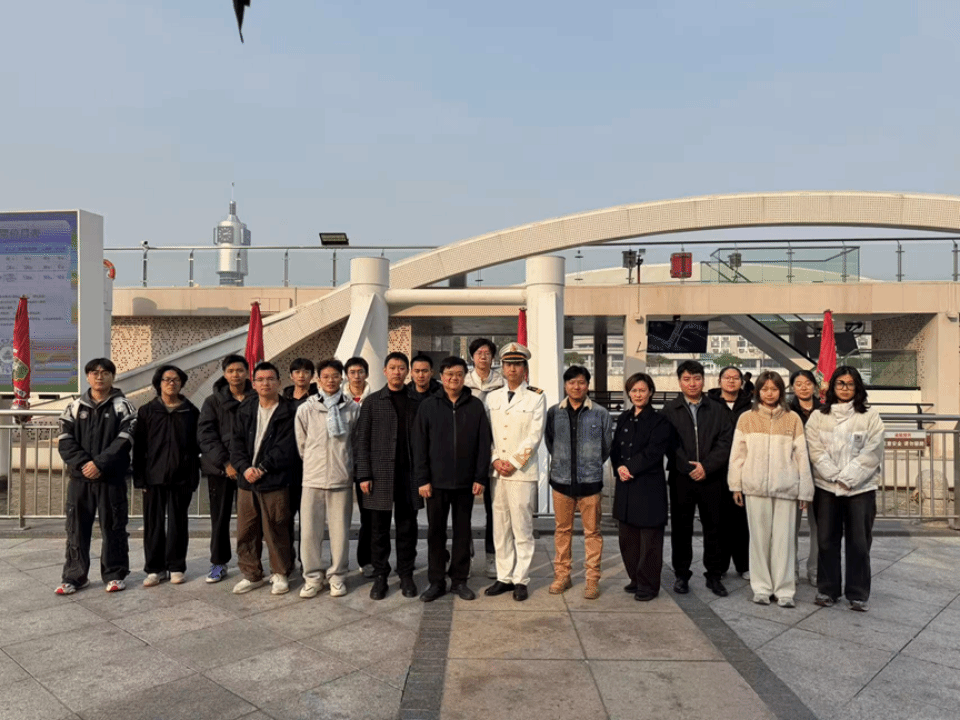
01 Mobile Classroom | Electric Cruise on the Haihe River Steering Towards the Future
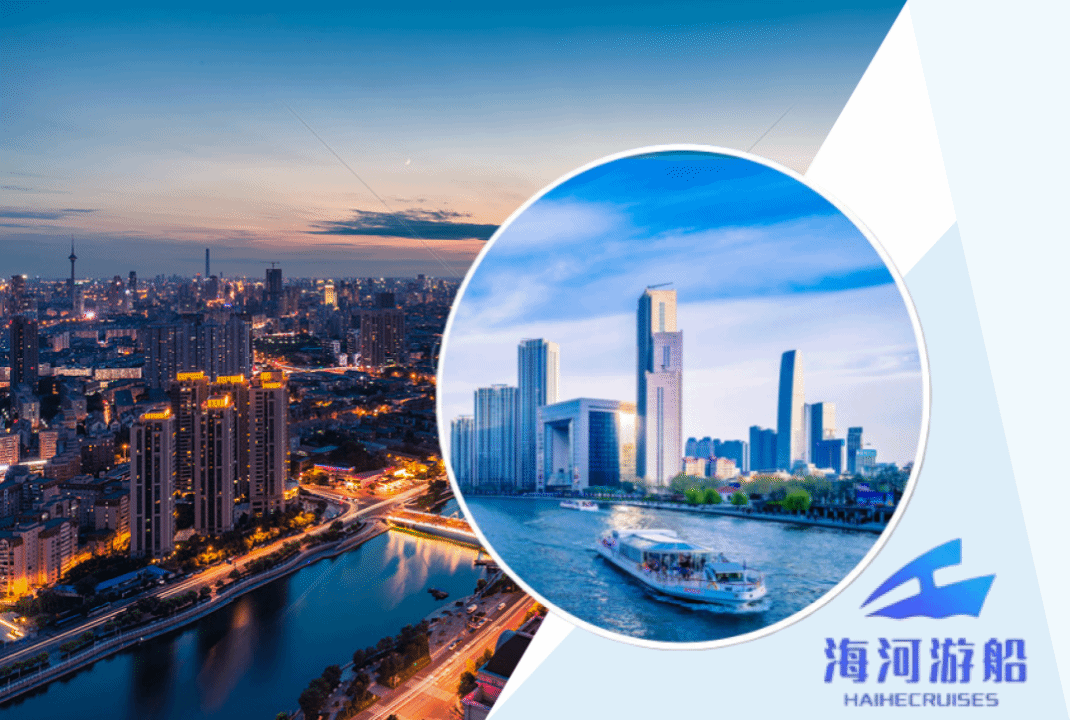
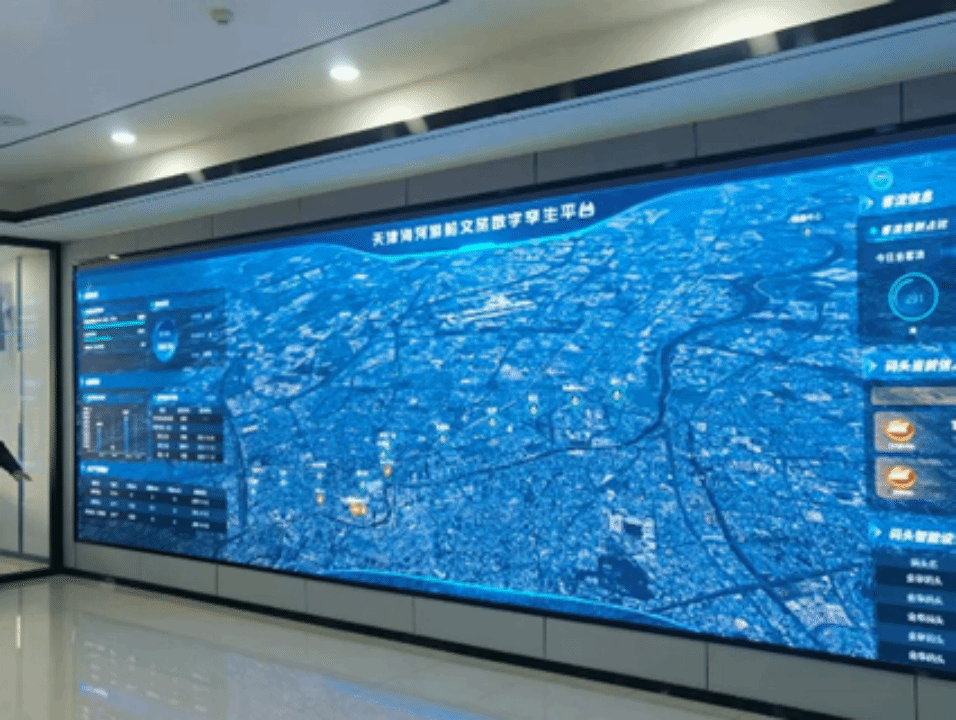
Tianjin Jinhai River Tour Boat Co., Ltd., as a leading enterprise in river tourism in North China, possesses over 30 various types of cruise boats, including several newly launched lithium battery-powered vessels (such as the "New Era" series). Its routes cover key sections of the Haihe River as well as unique water areas like the ancient town of Yangliuqing. The modern fleet, intelligent scheduling systems, and standardized operational management provide students with authentic and cutting-edge scenarios for ship control and maritime regulatory operations.
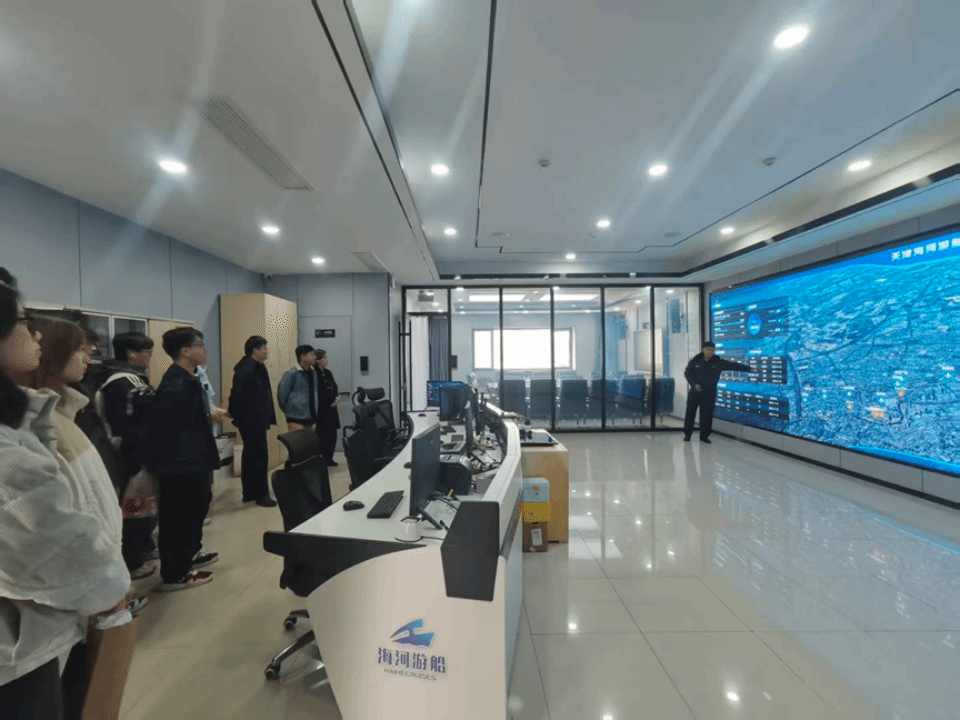

02 Deep Focus | From Navigation Rules to Intelligent Control: 'Hardcore' Teaching
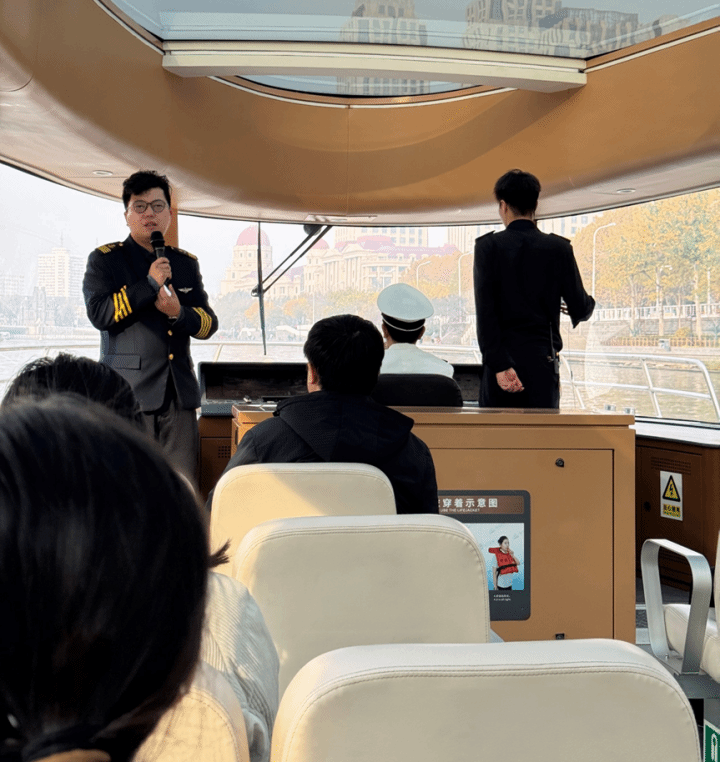
In the Haihe River cruise boat teaching segment, students systematically learned the navigation rules for inland vessels, including rules for collision avoidance, understanding the priority of vessel navigation, navigation light configurations, and the use of signal lights, among other topics. Through their experience with the Haihe cruise boats, students also gained a tangible understanding of the advantages of green vessel technology in terms of emissions reduction, noise reduction, and energy efficiency, while fostering a mindset of sustainable development. At the same time, they studied the operation and maintenance of pure electric boats, mastering processes for starting and stopping the electric vessels, charging procedures, and understanding core technologies such as Battery Management Systems (BMS) and Energy Management Systems (EMS).
03 Empowering Teaching through Research, Illuminating the Future through Practice
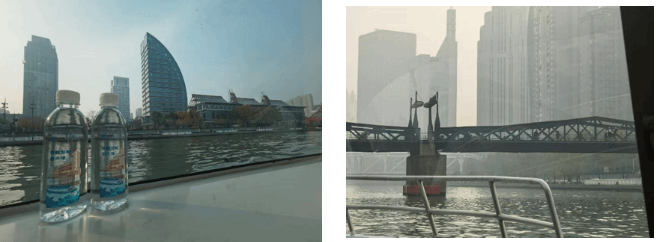
Placing the classroom on the shimmering waters of the Haihe River allows cutting-edge research outcomes (such as vessel maneuverability and intelligent control theory) to come alive in real vessels and waterways. This "zero-distance" interaction with pure electric cruise ships greatly enriches the course experience of "Technology for Ship Autonomous Navigation," achieving a seamless integration of theoretical knowledge and engineering practice. Moreover, it serves as a valuable journey to broaden industry perspectives. The students not only physically interact with the ship's equipment but also feel the pulse of future green and intelligent shipping. This practice is not just an educational activity; it plants valuable seeds in the students' hearts for engaging in a safer, greener, and smarter shipping industry. It prepares them as new engineering talents with solid theoretical foundations and innovative practical skills, contributing to China’s strategic goals of becoming a "strong transportation nation" and a "maritime power."
Special Thanks: Tianjin Jinhai River Tour Boat Co., Ltd.


 Quick navigation